

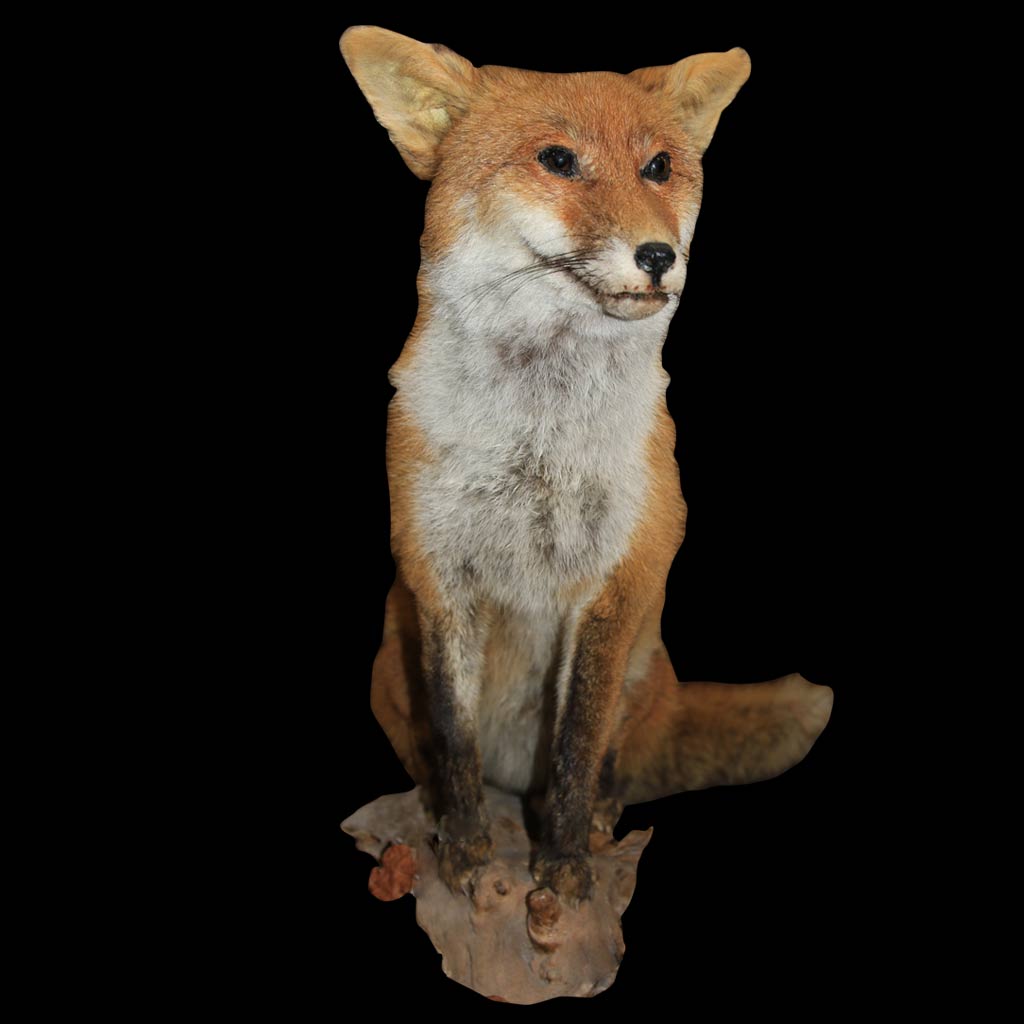
RED FOX
VULPES VULPES
Information
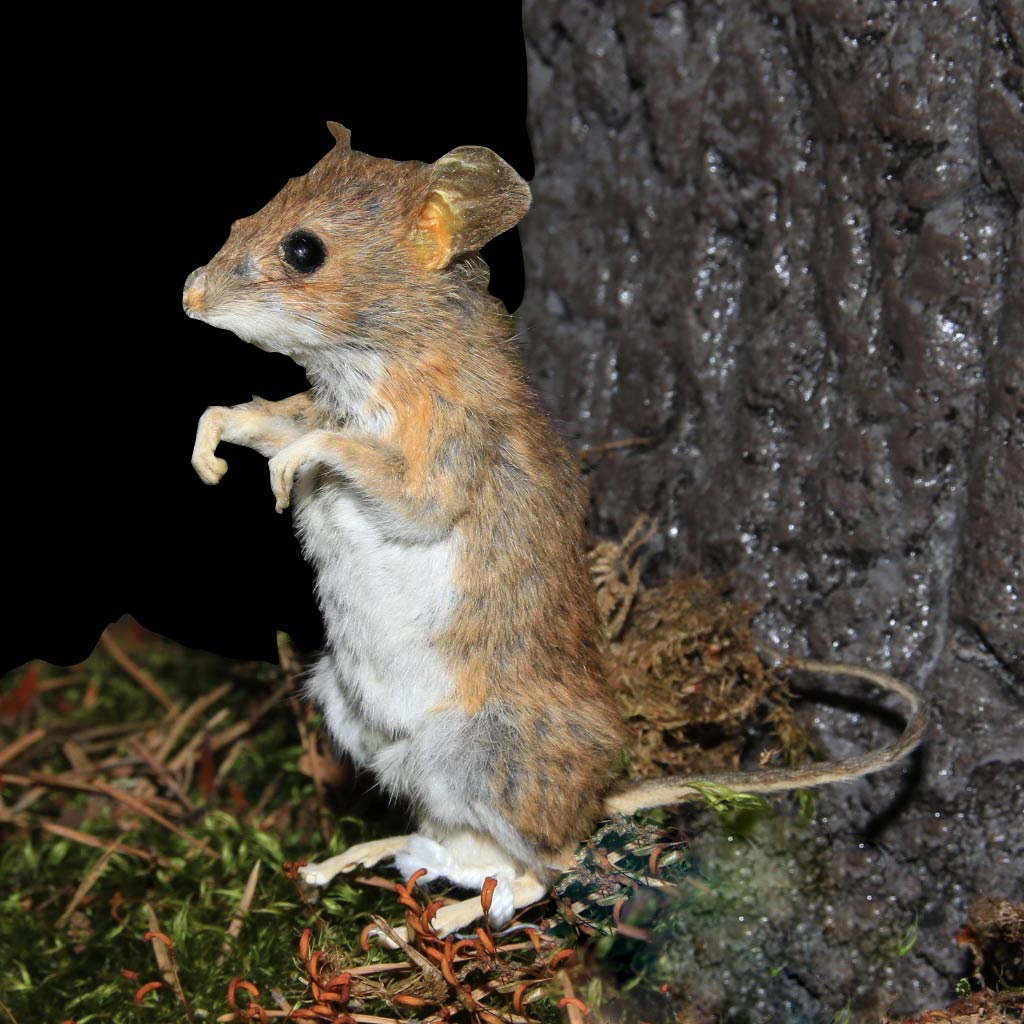
It is the largest fox species. A total of 45 subspecies of the Red fox are recognized. Their auditory perception is acute, being able to hear the flight of crows at 0.25–0.5 kilometres and the squeaking of mice at about 100 meters. Red foxes establish stable territories within particular areas and live in pairs. They use their urine to mark the boundaries of their territories. Outside the breeding season, most red foxes favor living in the open, in densely vegetated areas, though they may enter burrows to escape bad weather. Their burrows are often dug on hill or mountain slopes, steep banks of water bodies, in rock clefts and neglected human environments. Red foxes are omnivores with a highly varied diet. In the nature, they primarily feed on small rodents like voles, mice, ground squirrels, hamsters and other.
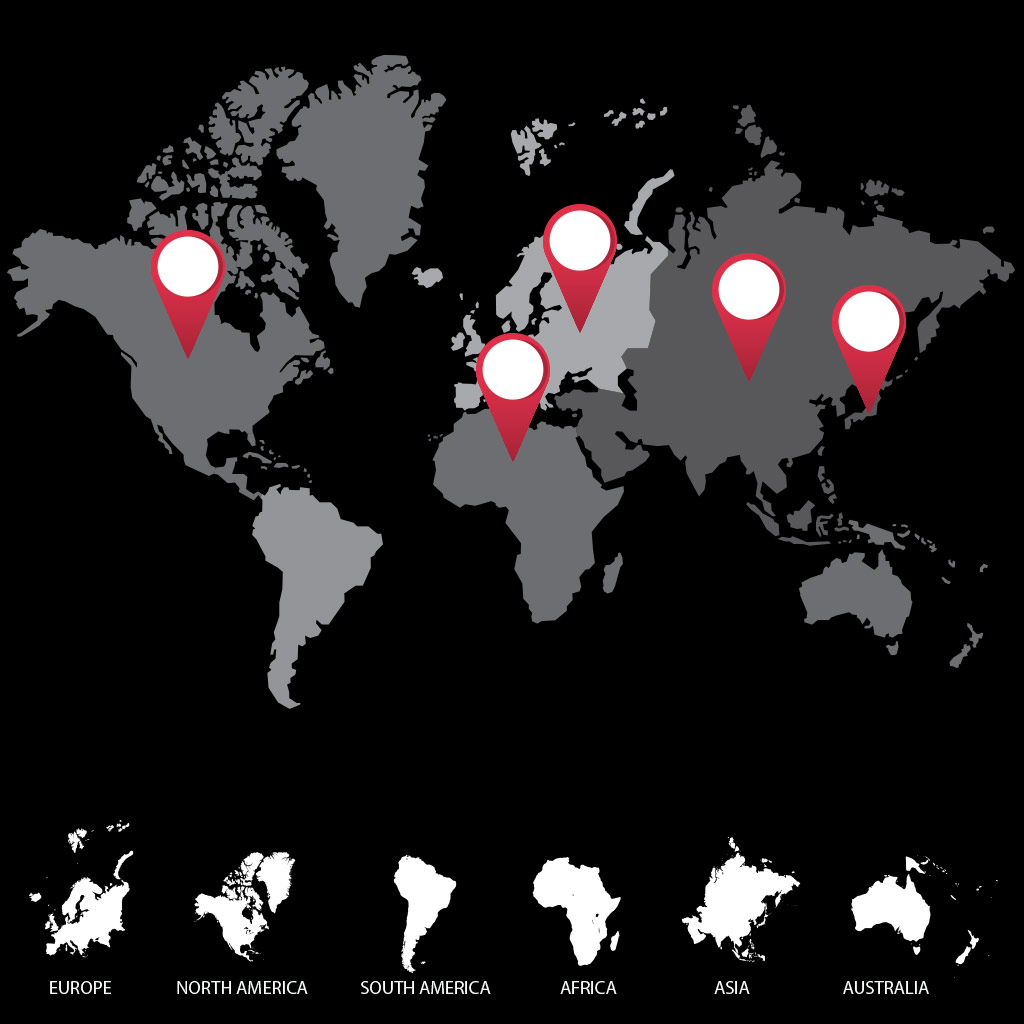
| DISTRIBUTION | The Red fox being present across the entire Northern Hemisphere from the Arctic Circle to North Africa, North America and Eurasia. Introduced in Australia. |
|---|---|
| HABITAT | The Red fox can occupy and exploit any terrestrial habitat, even the large cities of Western Europe and North America. |
| CONSERVATION STATUS | … |
 English
 Bulgarian