

BATH SPONGE
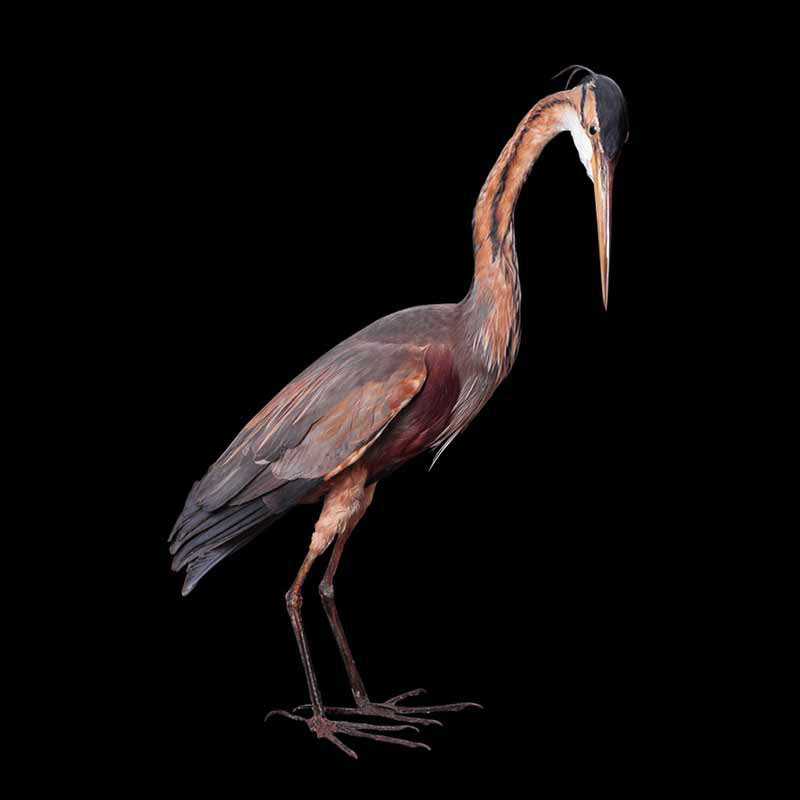
ARDEA PURPUREA
Information
It is most active at dawn and dusk, roosting with other birds in the middle of the day and at night, but increasing its diurnal activity while rearing young. It feeds in shallow water, grabbing its prey with its powerful beak. It will often wait motionless for prey, or slowly stalk its victim. The diet consists mainly of fish, small mammals and amphibians, but nestling birds, snakes, lizards, crustaceans, water snails, insects and spiders are also eaten. Terrestrial beetles are the commonest insect prey, followed by water beetles and aquatic larvae, with grasshoppers, dragonflies, bees and flies also being consumed.
| DISTRIBUTION | It breeds in Africa, central and southern Europe, and southern and eastern Asia. |
|---|---|
| HABITAT | The purple heron inhabits marshes, lagoons and lakes surrounded by dense vegetation. It may frequent mangrove swamps on the coast but it usually chooses freshwater habitats, particularly locations with reed beds. |
| CONSERVATION STATUS | … |

 English
 Bulgarian