

CHAMOIS
RUPICAPRA RUPICAPRA
Information
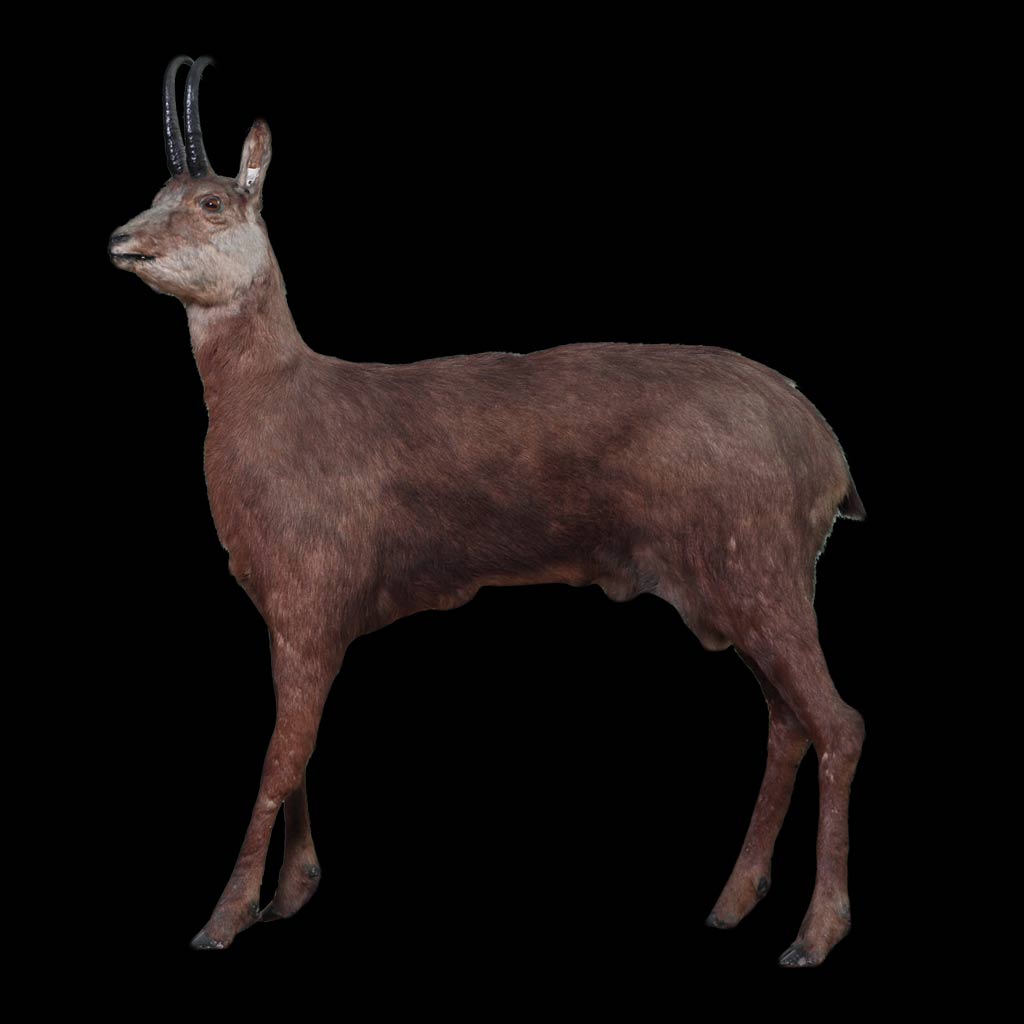
The chamois (along with sheep and goats) are in the goat-antelope subfamily (Caprinae) of the family Bovidae. The species R. rupicapra is categorized into several subspecies. The chamois is a very small bovid. A fully grown chamois reaches a height of 70-80 cm and measures 107-137 cm. Males, which weigh 30-60 kg, are slightly larger than females, which weigh 25-45 kg. Female chamois and their young live in herds of up to 15 to 30 individuals; adult males tend to live solitarily for most of the year. Chamois eat various types of vegetation, including highland grasses and herbs during the summer and conifers, barks and needles from trees in winter. Primarily diurnal in activity, they often rest around mid-day and may actively forage during moonlit nights.
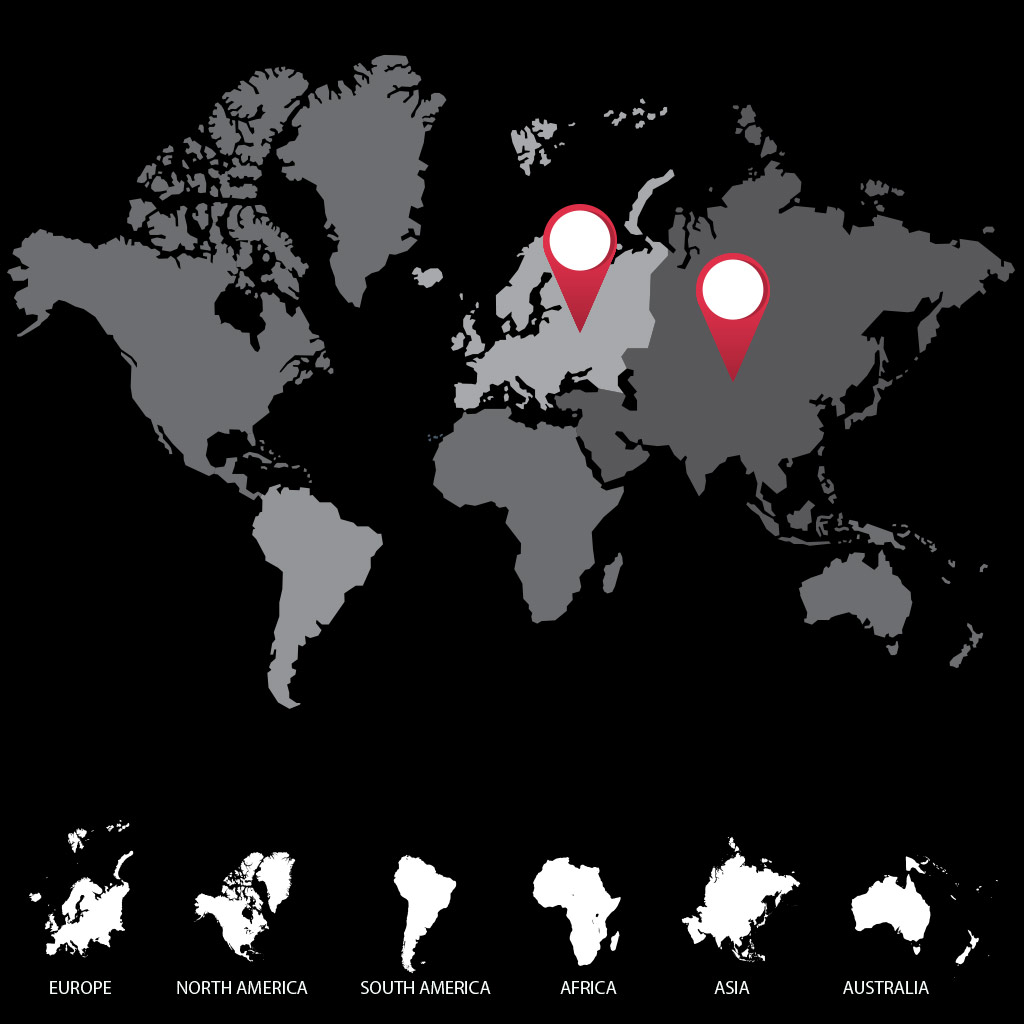
| DISTRIBUTION | Native to mountains in Europe: the European Alps, the Pyrenees, the Carpathians, the Tatra Mountains, the Balkans, parts of Turkey, the Caucasus, and the Apennines. |
|---|---|
| HABITAT | They live at moderately high altitudes and are adapted to living in precipitous, rugged, rocky terrain. They can be found at elevations up to at least 3600 m. In Europe, Chamois spend their summers above the tree line in meadows. When winter rolls around, they go to lower elevations, of around 800 m, to live in forests, mainly in areas dominated by pines. |
| CONSERVATION STATUS | … |
 English
 Bulgarian